Source android auto carplay decoder for Navigation, Media, and Phone
Compare 30 units of the android auto carplay decoder featuring wireless connectivity and universal fitment. Buyers can evaluate models like PL6 and M11 with varying dimensions and Android 14 support for diverse vehicle integration needs; compare the available evidence and request quotations based on your requirements.
Key considerations
Products List




Comprehensive Sourcing Guide
Android Auto CarPlay Decoder Sourcing Guide
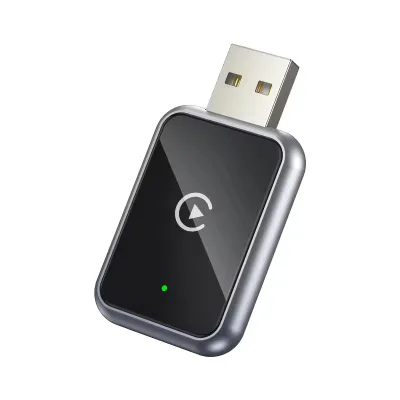
Sourcing wireless CarPlay and Android Auto decoders requires a clear understanding of the device’s role as a bridge between a vehicle’s native infotainment system and modern smartphone ecosystems. These units typically plug into the existing USB port, converting wired connections into wireless ones to enable seamless streaming of navigation, media, and communication apps. Buyers must distinguish between simple signal converters and more complex head-unit replacements, as the latter involve deeper integration with vehicle CAN bus systems and may require professional installation. The core value proposition lies in upgrading legacy displays without replacing the entire dashboard cluster, preserving the original aesthetic while gaining modern connectivity features.
Procurement decisions should be driven by the specific compatibility requirements of the target vehicle fleet or customer base. Since these devices are often marketed as universal, verifying the exact interface protocol of the target car’s head unit is critical to ensure successful pairing. Buyers should prioritize suppliers who provide detailed compatibility matrices rather than relying on broad "universal" claims. Additionally, the physical form factor and power requirements must align with the installation environment, whether it is a dashboard-mounted unit or a compact dongle that hides behind the existing screen. Understanding these technical nuances prevents costly returns and ensures a smooth user experience for the end consumer.
Product Scope and Observed Listing Signals
The current market for these decoders shows a wide range of product types, from simple wireless adapters to full Android-based head units with integrated screens. Observed listings indicate a price range of $7.8 to $129 USD, reflecting the disparity between basic Bluetooth-enabled converters and advanced systems with high-resolution displays and powerful processors. The minimum order quantity (MOQ) varies significantly, with some suppliers offering single-piece MOQs for testing, while others require bulk orders of up to 100 units for custom branding. This variance allows buyers to scale their procurement strategy based on their immediate needs, whether for small-scale retail or large-scale distribution.
Key attributes observed in the market include support for both Bluetooth and WiFi connections, with many units featuring automatic reconnection capabilities to enhance user convenience. The physical dimensions of these devices vary, with some compact models measuring around 34x20x7mm, while larger head units can exceed 55mm in width. Buyers should note that many suppliers offer OEM and ODM services, allowing for customized packaging and branding, which is essential for private label strategies. The presence of certifications such as CE and FCC in listings suggests a baseline level of regulatory compliance, though buyers must verify the validity of these documents for their specific target markets.
Technical Specifications to Verify
When evaluating technical specifications, the processor and memory configuration are primary indicators of performance stability. Advanced units may feature Android 14 operating systems with 4GB RAM and 32GB or 64GB ROM, supporting multitasking and faster app loading times. In contrast, simpler decoders may rely on proprietary firmware with limited processing power, which can lead to lag or disconnections during heavy usage. Buyers should verify the CPU and GPU specifications to ensure the device can handle high-definition video output and smooth navigation rendering without overheating or freezing.
Connectivity standards are another critical area for verification, particularly the version of Bluetooth supported by the device. Units supporting Bluetooth 5.0 or higher generally offer more stable connections and lower latency, which is crucial for audio streaming and voice command recognition. Additionally, the power input requirements, typically 5V for USB-powered devices or 12/24V for hardwired units, must match the vehicle’s electrical system. Buyers should also check the supported video output formats and screen size compatibility, especially for larger head units, to ensure they integrate seamlessly with the vehicle’s existing display or aftermarket monitors.
Compliance and Safety Documentation
Regulatory compliance is non-negotiable for importing electronic devices, particularly those involving wireless transmission. Buyers must ensure that all products carry valid CE and FCC certifications, which attest to compliance with electromagnetic interference and safety standards in the European Union and United States, respectively. For markets requiring environmental standards, RoHS certification is essential to confirm that the device is free from hazardous substances. These documents should be verified directly with the issuing bodies or through trusted third-party testing labs to avoid accepting forged or expired certificates.
Beyond regulatory marks, buyers should request detailed user manuals and safety warnings in the target market’s language. Proper documentation helps mitigate liability risks by ensuring that end-users are aware of correct installation procedures and potential hazards, such as overheating or electrical shorts. Suppliers should also provide evidence of quality control processes, including factory audit reports or ISO certifications, to demonstrate a commitment to consistent manufacturing standards. Verifying these documents early in the sourcing process protects the buyer from customs delays and potential legal issues in the destination country.
Cost Drivers and Commercial Terms
The final cost of these devices is influenced by several factors, including the complexity of the internal components, the level of customization, and the order volume. Units with larger screens, higher resolution displays, and advanced processors naturally command higher prices due to the increased bill of materials. Customization options, such as branded packaging, custom firmware, or unique color schemes, often incur additional setup fees or higher per-unit costs. Buyers should negotiate tiered pricing structures that reward larger order volumes, ensuring that the unit cost decreases as the procurement scale increases.
Commercial terms, including payment methods and shipping arrangements, also play a significant role in the total cost of ownership. Buyers should clarify whether the quoted price includes packaging, labeling, and any necessary accessories, as these can add hidden costs. Lead times can vary based on the production schedule and the extent of customization required, so it is essential to establish clear delivery timelines in the purchase agreement. Additionally, buyers should consider the impact of shipping methods on cost and speed, balancing air freight for urgent orders with sea freight for bulk shipments to optimize logistics expenses.
Supplier Qualification and Quality Control
Selecting a reliable supplier involves rigorous due diligence to ensure consistent product quality and service reliability. Buyers should verify the supplier’s business license, manufacturing capabilities, and history of exporting to their target markets. Requesting samples is a critical step to evaluate the device’s build quality, software stability, and ease of installation. These samples should be tested under real-world conditions to identify any potential issues with connectivity, heat management, or user interface responsiveness before committing to a larger order.
Quality control measures should be established before production begins, including clear specifications for materials, components, and performance benchmarks. Buyers may consider hiring third-party inspection agencies to conduct pre-shipment inspections, ensuring that the products meet the agreed-upon standards. It is also important to establish a clear warranty policy, typically one year for these devices, and a process for handling defective units. A responsive supplier with a robust after-sales support system is essential for maintaining customer satisfaction and minimizing the impact of any product failures.
Long-Term Procurement Checks
Sourcing these devices is not a one-time transaction but an ongoing relationship that requires continuous monitoring and adaptation. Buyers should stay informed about updates in smartphone operating systems, as new iOS or Android versions may require firmware updates for the decoder to maintain compatibility. Suppliers who actively develop and release firmware updates demonstrate a commitment to long-term product viability and customer support. Establishing a channel for regular communication with the supplier ensures that buyers are notified of any technical changes or new product releases that may impact their inventory.
Market trends and consumer preferences also evolve, necessitating periodic reviews of the product portfolio. Buyers should assess the performance of existing products in the market and gather feedback from end-users to identify areas for improvement. This feedback loop can inform future procurement decisions, such as upgrading to models with better processors or adding new features like wireless charging or enhanced audio quality. By maintaining a flexible and responsive sourcing strategy, buyers can mitigate risks and capitalize on emerging opportunities in the automotive electronics market.
FAQs
What is the warranty period for this Wireless Carplay Android Auto Box?
The product comes with a 1-year warranty period for coverage. This warranty applies to the JCS brand Wireless Carplay Android Auto Box manufactured in Guangdong, China. Buyers should verify specific terms with the supplier before purchase to ensure full protection.
Can this device connect wirelessly to my car's system?
Yes, the device supports wireless Bluetooth and WiFi connections for seamless integration. It functions as a Wireless Carplay Android Auto Box compatible with cars already equipped with CarPlay. The connection method ensures easy use without physical cables for most operations.
Which certifications does the manufacturer hold for this product?
The product holds CE, FCC, and RoHS certifications for safety and compliance. These standards confirm the device meets international requirements for electronic goods. Buyers can rely on these documented certifications when sourcing the Wireless Carplay Android Auto Box from verified suppliers.
How does the power input work for this car adapter?
The device accepts a 5V power input for operation within the vehicle. It is designed to work with standard car electrical systems and supports 12/24V voltage ranges for broader compatibility. This ensures stable performance when installed in various car models.
What is the minimum order quantity for this decoder box?
The minimum order quantity is 1 piece for this Wireless Carplay Android Auto Box. This low MOQ allows buyers to test the product before placing larger orders. Customization is available for bulk purchases, making it flexible for different business needs.
Which operating system runs on this Android Auto decoder?
The device runs on the Android 14 operating system for modern functionality. It features a 4CPU+4GPU configuration with RAM/ROM options of 2g+32g or 4+64G. This system supports multiple languages and provides a robust platform for car entertainment applications.
Can I customize the packaging for this product?
Yes, customized packaging is available for this Wireless Carplay Android Auto Box. The product comes in an individual box that can be placed in a master carton. OEM and ODM services are welcomed, allowing buyers to tailor the packaging to their brand requirements.